
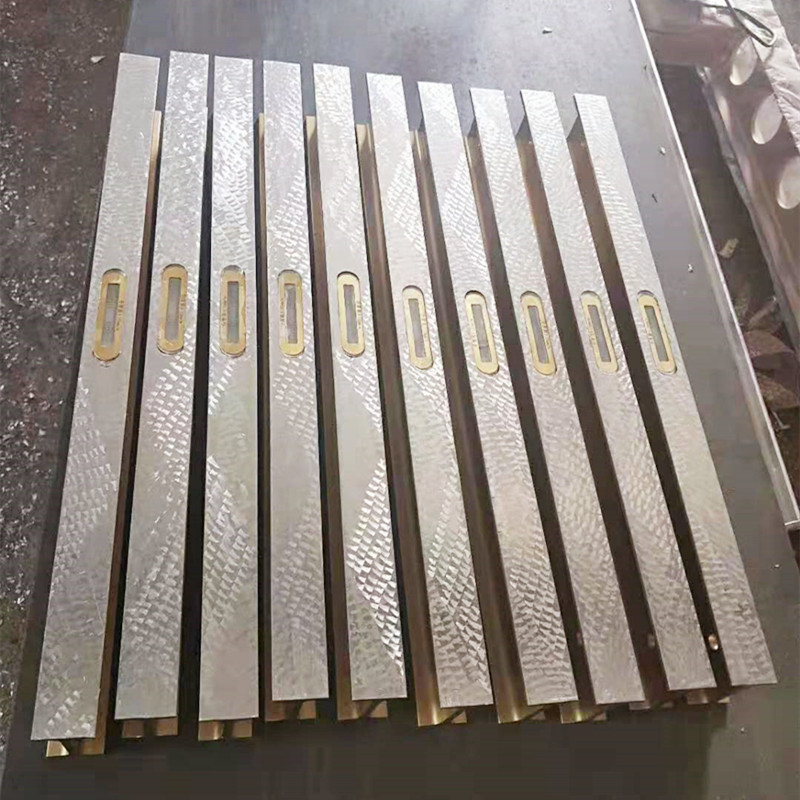
coloured mirror glass
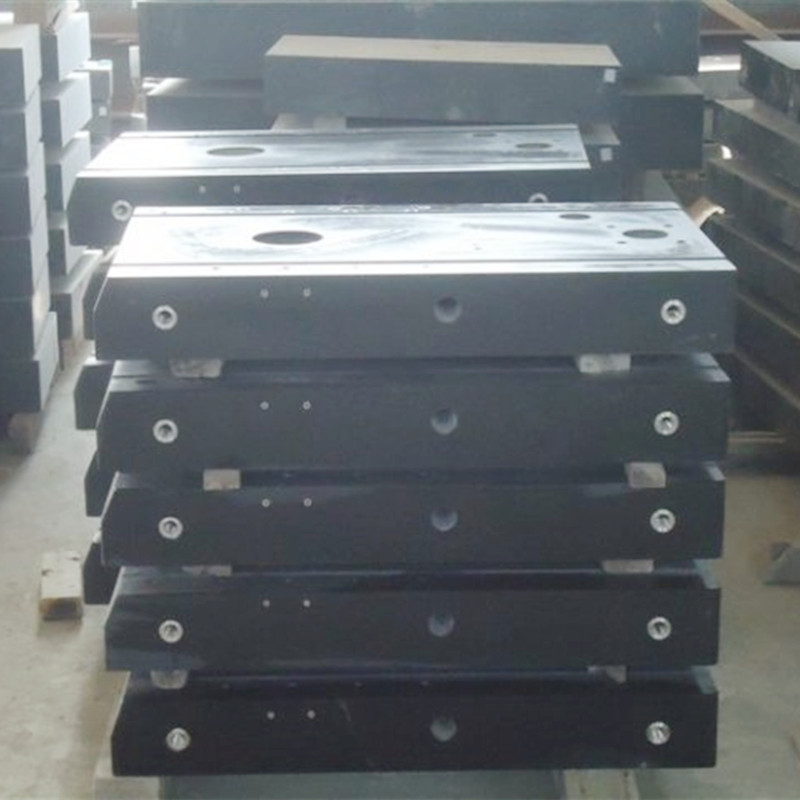
The Importance of Surface Plates in Precision Measurement When it comes to achieving precise measurements in manufacturing and engineering, the importance of a high-quality surface plate cannot be overstated. Surface plates serve as a fundamental tool for measuring, supporting, and inspecting various components across diverse industries. Their design, material, and applications make them essential instruments in precision measurement processes. A surface plate is essentially a flat, stable support structure made from materials such as granite, cast iron, or stainless steel. The choice of material is crucial as it affects the plate's durability, thermal stability, and ability to resist wear. Among these materials, granite is often favored due to its inherent stability and resistance to deformation. Cast iron plates, on the other hand, can offer greater resilience under heavy loads but may be subject to rust if not adequately maintained. Stainless steel plates are known for their resistance to corrosion, making them suitable for environments where exposure to moisture or certain chemicals is a concern. The primary purpose of a surface plate is to provide a reference plane for dimensional measurement. In inspecting workpieces or assemblies, a surface plate acts as a baseline from which measurements can be taken . This is particularly important in industries where precision is paramount, such as aerospace, automotive, and semiconductor manufacturing. By placing a component on a surface plate, engineers can use various measuring tools—like calipers, micrometers, or coordinate measuring machines (CMMs)—to assess dimensions accurately, ensuring that they meet rigorous specifications. surface plate An essential characteristic of surface plates is their flatness. A high-quality surface plate can achieve a flatness tolerance much tighter than many other surfaces encountered in manufacturing. This precision is vital, as even minor deviations can lead to significant errors in measurement and, subsequently, in the production process. Regular calibration and maintenance of surface plates are paramount to preserving their accuracy. Users should clean the plates regularly to remove any debris and ensure they are stored correctly to prevent damage. Surface plates can also come equipped with additional features, such as T-slots, which allow for the attachment of other measurement tools, clamps, or fixtures. These modifications can enhance their versatility and convenience, making them practical for various tasks and setups. Portable surface plates, made from lightweight materials, are also available for use in field situations or smaller workshops where space is a constraint. Education and training in the proper use of surface plates are crucial for quality control personnel. Understanding how to position components accurately, read measurement tools, and interpret results correctly can significantly influence the efficiency and accuracy of the measurement process. Moreover, knowledge of how to maintain and calibrate these plates ensures they continue to provide reliable performance over time. In conclusion, surface plates are indispensable assets in precision measurement and quality control processes across multiple industries. Their design, materials, and functional capabilities make them instrumental in ensuring that manufactured parts meet stringent specifications. As industries continue to embrace more advanced technologies and methodologies, the role of surface plates remains vital, highlighting the need for ongoing investment in their quality, maintenance, and operator training. The pursuit of precision is a continuous journey, and surface plates are at the forefront of this essential endeavor.
about
coloured mirror glass
Understanding the Cost of Pressure Control Valves Pressure control valves are essential components in various industries, ensuring the safe and efficient operation of systems by regulating pressure levels. These valves find applications in manufacturing, oil and gas, water treatment, and many other sectors. As these systems are critical for maintaining operational integrity, understanding the pricing of pressure control valves becomes crucial for businesses looking to optimize their expenditures without compromising quality. The price of pressure control valves can vary significantly based on a variety of factors, including design, size, materials, and application. Generally, standard pressure control valves can range anywhere from $50 to several thousand dollars. For instance, a simple brass valve designed for low-pressure applications may fall on the lower end of the price spectrum, while specialized valves made from high-grade materials to withstand extreme conditions can be quite expensive. Understanding the Cost of Pressure Control Valves Additionally, the size and specifications of the valve play a critical role in determining its cost. Larger valves that can handle higher flow rates or operate at elevated pressures typically command higher prices. Custom-designed valves tailored to specific applications may also lead to increased costs, as specialized manufacturing processes and materials would be required. pressure control valve price Another factor influencing the price is the brand and the technology used. Established manufacturers often offer higher prices due to their reputation for quality, reliability, and aftermarket support. Innovative features such as electronic controls, advanced sealing technologies, and integrated monitoring systems can further drive up the price but may enhance efficiency and reduce operational costs over time. When considering the price of pressure control valves, it's essential to factor in the long-term benefits and potential savings. Investing in high-quality valves can lead to reduced maintenance costs and enhanced reliability, which is critical for operations that cannot afford downtime. Moreover, choosing the correct valve for the application ensures optimal performance, which can lead to energy savings and decreased operational costs. For companies purchasing pressure control valves, conducting thorough research and comparing options from different suppliers will help identify the best fit for their needs. It may be beneficial to seek expert advice to understand the specific requirements of the application, as this can help avoid overspending on unnecessarily high-end products or facing issues with incorrect specifications. In conclusion, the price of pressure control valves can vary widely based on several factors, including material, size, specifications, brand reputation, and advanced features. Businesses should carefully evaluate their needs and consider both upfront costs and long-term savings to make informed purchasing decisions. Quality valves are an investment in reliability and efficiency, essential for the smooth operation of any industrial process.
-

High quality industrial productsagement

High quality industrial products
View Details -

Meet the diverse needs of customers

Meet the diverse needs of customers
View Details -

Strict quality control

Strict quality control
View Details -

Top raw materials

Top raw materials
View Details -

Trusted supplier

Trusted supplier
View Details
Our application



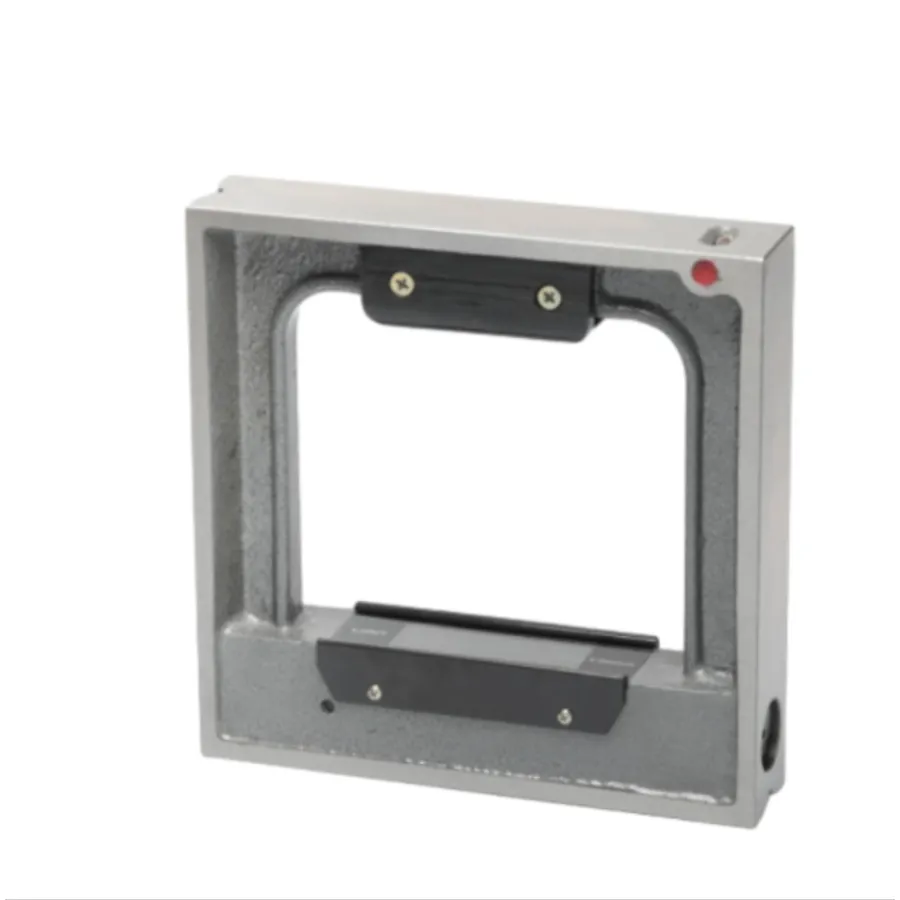
news and information
Válvula borboleta 250mm
Válvula Borboleta de 250mm Eficiência e Versatilidade em Sistemas de Fluídos As válvulas borboleta t
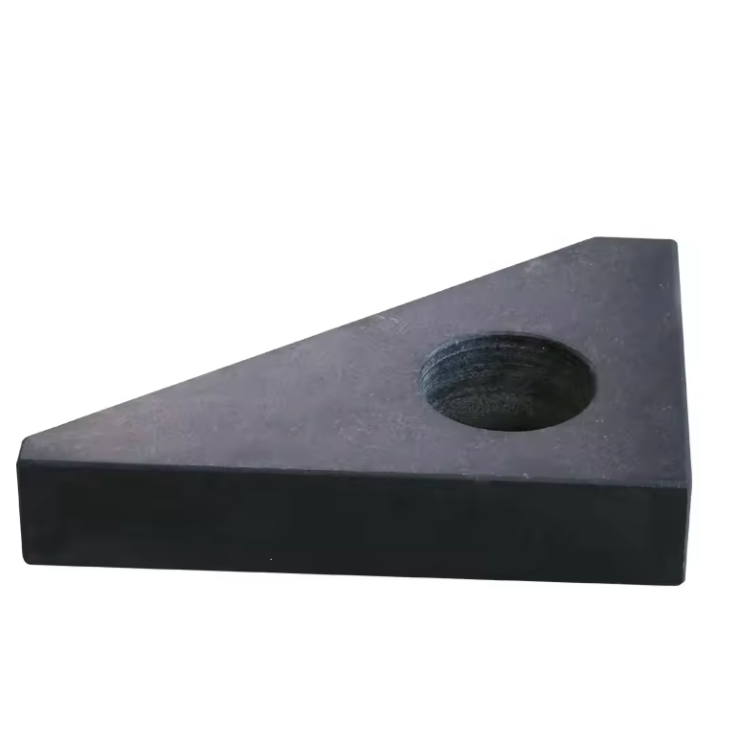
Using a Level Ruler for Accurate Measurements and Alignment in DIY Projects
The Importance of a Spirit Level Ruler in Construction and DIY Projects A spirit level ruler is an i
Válvulas de compuerta y válvula de cierre
Las válvulas de compuerta (gate valves) y las válvulas de globo (globe valves) son dos tipos de válv
 English